Humans in the world establish goals to reach in order to find their own direction. Whether it be to become a top anesthesiologist or to have a star of fame at Hollywood or to bring down the right to bear arms in the state or to climb Mt. Everest in world-record time. We, humans, have these desires or goals in order to have a purpose in life. Our decisions tend to form based on our interests along with the conditions and society we live in. If you are really against the right to bear arms and believe it is harming humanity, that'll lead you to want to write a petition. If you live in a society that respects the freedom of speech, you will then speak out and fight for your belief. When you decide on a goal to pursue you reach out to others to support you, to agree with your viewpoint. Almost always we have someone or even some people standing by our sides, supporting our decision. However, in the
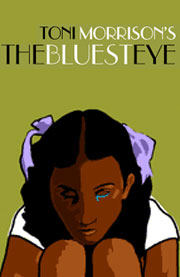
Bluest Eye, Pecola did not receive this treatment. Because of the standards society had inflicted on her, she yearned to be "beautiful" like the whites with blue eyes. Most people couldn't relate to her, and eventually alienated her. Even her own family members and close friends started her to classify her as an inferior in order to make themselves seem superior. This pitiful case Pecola had to go through was brought upon by society itself. Also, this tragedy was heightened by the fact that no one stood with her while she had to endure these pressures. Pecola was pushed to brink of sanity; she couldn't withstand all the burden any longer, so she involuntarily created her own imaginary friend. Her friend listened to only her and sided her almost everything she said. Her imaginary friend agreed that Pecola had the "bluest eyes" and the "prettiest [it has] ever seen." Creating an imaginary friend is Pecola's fight response, knowing that there is no way to take flight from this dreadful racial oppression,


Hey Jennifer,
ReplyDeleteI agree with the first half of your blog where you said that humans will always strive for their goals. However, I don't believe that Pecola was trying to make a statement but rather was the victim of an oppressive society prejudiced against vulnerable minorities. I do agree with your last couple of sentences where she created her imaginary friend in order to cope with her situation to comfort her through her hard times.